When the Hype Tax Hits: Surviving a £70 Launch-Day Dud

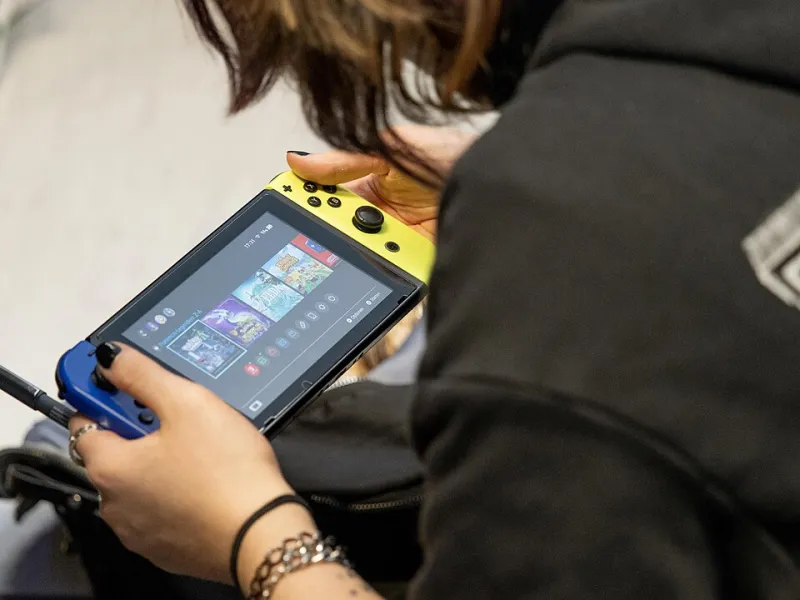
Photo: User:W., CC BY-SA 3.0, via Wikimedia Commons
You paid £70. You booked the Friday off. You bought a new snack. You told the group chat this was the one. By Sunday evening you are back on the menu screen, not because the game is bad, but because you are trying to work out whether you are having fun or simply honouring a receipt.
The £70 hangover is a very 2026 problem, even if the feeling is old. Games cost more, digital buying is instant, and launch-day hype is a machine that never sleeps. The result is a familiar British ritual: polite disappointment, a bit of moaning, and a quiet trip to CeX in the week.
This is not a review of any one game. It is a guide to what to do when a big release lets you down, and how to stop a bad purchase from becoming a bad month.
The launch-window trap
Launch day is the worst time to judge a game fairly. Servers wobble. Patches land. The first 90 minutes are often a tutorial dressed up as a statement of intent. You are also surrounded by people who have already decided it is either a masterpiece or a disaster, which is not exactly a calm environment for your own opinion.
The trap is that full price makes you feel like you have to like it. You have paid more than you would for a decent night out, so the brain starts looking for reasons to justify the spend. That is sunk-cost thinking with a controller in your hands. The money is already gone. The question is whether the time should follow it.
Know your refund rights before you buy
This is not legal advice, and store policies change, but UK players should know the basics before they hit buy.
On Steam, the standard refund window is 14 days and under two hours of play, though there are exceptions. On PlayStation Store, Xbox and Nintendo eShop, digital purchases are generally much harder to undo once you have downloaded or started playing. The UK Consumer Contracts Regulations 2013 give a 14-day cancellation right for many distance purchases, but digital content is a special case: if you consent to immediate access and start the download, that cancellation right can be lost.
What that means in practice is simple: if you are unsure, do not smash the download button at midnight. Check the store page. Read the refund wording. If you are on PC, keep an eye on your playtime. If you are on console, assume the digital door closes quickly.
It is boring advice. It is also the difference between a £70 mistake and a £70 mistake you can undo.
The patch waiting game
Some games are genuinely better three months later. Performance fixes, balance changes, quality-of-life updates and the removal of whatever cursed menu the designers thought was a good idea at launch can all transform the experience. Waiting is not weakness. It is consumer sense.
But there is a limit. A roadmap is a promise, not a patch. A developer saying the game will be fixed is not the same as the game being fixed. If you are waiting for a specific fix, put a date in your diary and check back then. Do not sit on the sofa every night hoping the news page will save you.
A good rule is to wait for the first proper patch and at least one round of independent performance testing. Digital Foundry and similar outlets are useful here because they tell you whether the frame-rate actually holds up, not whether the marketing team says it does.
The UK second-hand circuit still matters
Physical discs are not dead, and the UK is unusually well served for trading them in. CeX is the obvious stop, with its mix of cash and voucher prices. GAME still has a place on the high street. Independent shops, cash converters, Facebook Marketplace and eBay can all turn a disappointing purchase into a bit of money back.
The key is timing. Trade-in values fall fast once the next big release lands. If you are going to punt, do it in the first week or two, keep the box and disc clean, and compare cash versus voucher. A voucher is only worth more if you will actually spend it.
Digital buyers have fewer options. That is the trade-off for convenience. If you buy digital, you are effectively betting that you will like the game enough to keep it. That is a bigger bet at £70 than it was at £40.
The mental cost of sticking with it
Here is the uncomfortable bit: finishing a bad game because it was expensive is not a personality trait. It is a trap. Your backlog is not a moral debt. The receipt is not a contract that says you must play for 40 hours to get your money's worth.
If you are playing for the receipt, stop. If you are playing because your mates are on it, that is different. If you are playing because the core loop finally clicked after four hours, that is different too. But if every session feels like homework, the £70 has already done its damage. Do not let it take your evenings as well.
Persist, pause or punt
Use this simple checklist when the launch-window shine has gone and you are deciding what to do next.
Persist if:
- The core loop is starting to click after the tutorial.
- The problems are technical and a patch is confirmed for the near future.
- Friends are playing and the social side is carrying the experience.
- You can see what the game is trying to do and you want to meet it halfway.
Pause if:
- You are annoyed rather than bored.
- The performance is poor and a fix is likely.
- You are only playing because you feel guilty about the price.
- A big update or expansion is due soon and you would rather start fresh.
Punt if:
- You are still inside a refund window and the game is not grabbing you.
- The disc still has decent trade-in value.
- You have given it a fair go and the answer is simply no.
- You would rather spend the time on something you actually want to play.
The next big release
Next time, wait 48 hours. Read a few reviews from people who are not on the payroll. Check the refund rules before you click buy. If you are on console and unsure, buy physical. If you are digital, set a hard limit: two hours to decide, then act.
The £70 hangover is not really about £70. It is about the gap between the game you imagined and the game you got. Closing that gap is easier when you stop treating full price as a reason to suffer and start treating it as a reason to be careful.