Pass the Pad, Not the Link: The Unlikely Comeback of the UK Sofa Game Night

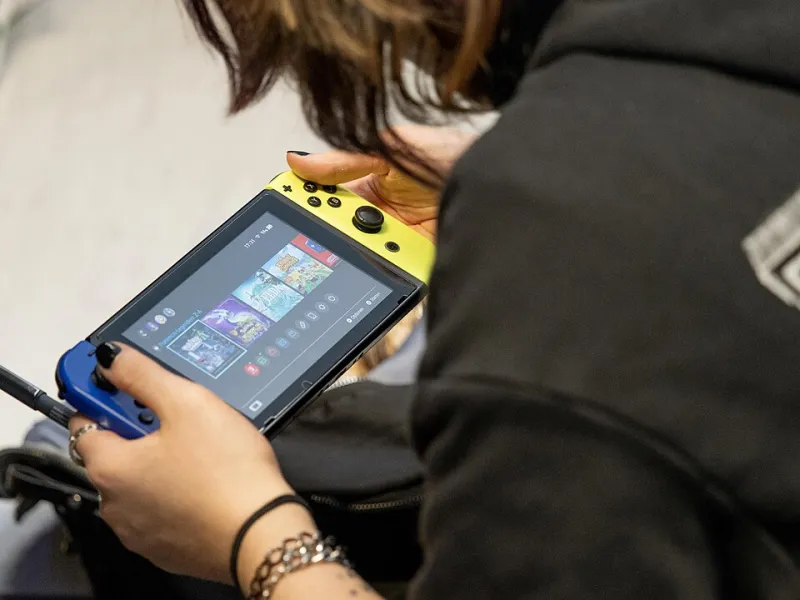
Photo: friends playing split screen console in UK living room with controllers, via i.insider.com
The Discord lobby is a miracle. You can round up six friends from six different cities, mute the one who eats crisps too close to the mic, and be in the same game within ten minutes. It is efficient. It is convenient. It is also, sometimes, a little bit lifeless.
That is why the UK sofa game night is quietly making a comeback in 2026. Not because online multiplayer is bad, but because local multiplayer does something the lobby cannot: it puts everyone in the same room, on the same screen, with the same slightly sticky controller. And that changes the atmosphere completely.
The Convenience Trap
Online multiplayer solved distance. It did not solve the good bits. The shared screen, the elbows, the instant replay arguments, the moment someone leans forward and accidentally blocks the projector. Those things do not happen on Discord. They happen in living rooms, usually right after someone has said the words, one more round.
Discord is brilliant for organising a game night. It is less brilliant at reading the room. You cannot see the smirk when someone picks the overpowered character. You cannot hear the collective groan when the host loads a game with a 20-minute tutorial. You cannot physically pass the pad to the person who has been waiting patiently. The lobby gives you voice chat. The sofa gives you body language.
Why the Living Room Wins on Banter
Local multiplayer is a social contract. Everyone can see the screen, everyone can see each other, and everyone knows who is doing well. That shared context makes the banter sharper and the wins funnier. A last-second goal is better when someone can leap off the sofa. A cheap tactics win is better when the loser can point at the screen and demand a rematch.
It also lowers the barrier. Not everyone wants to set up an account, add a friend code and troubleshoot a headset. Some people just want to pick up a controller and be told which button is jump. That is the quiet superpower of the sofa: it is the most accessible multiplayer setup we have ever had, and we keep forgetting it.
The Politics of Controller Distribution
Every group has a Player 1 who gravitates towards the good pad. Every group has a Player 2 who gets the one with the drifting stick and a battery indicator that looks like a cry for help. Hosting tip: label your controllers, charge them all before people arrive, and assign them before the drinks come out. Do not let the loudest person claim the pro controller by divine right.
The newcomer gets the good controller. That is not sentimentality. That is good hosting. If someone is trying local multiplayer for the first time, do not hand them the museum piece with the mushy buttons. Give them the decent pad and let the regulars fight over the rest.
And if someone picks the same overpowered character for the fifth round in a row, you are allowed to rotate. This is not a competitive esports final. It is a Saturday night in a living room. The banter should stay friendly, even when the blue shell hits.
Hosting a Game Night That Does Not Drag
Pick a start time and an end time. Two to three hours is plenty. Four to six people is usually the sweet spot. Have a warm-up game, a main event and a palate cleanser. Do not force a 90-minute campaign on a group that just wants to shout at a party game.
Snacks matter more than you think. Keep greasy food away from the controllers. Bowls and napkins are your friends. Mini Cheddars are a controller hazard. Put the drinks on a side table, not on the sofa arm, and accept that someone will ignore this advice within the first hour.
Schedule a break. Ten minutes to top up drinks, stretch legs and reset the mood is worth more than another round of a game everyone has quietly stopped enjoying. If a game causes more silence than laughing, swap it. The point is the people, not the leaderboard.
The G4DZ House Rules
- Winner stays on, but three rounds maximum. Nobody needs a reign of terror.
- The newcomer gets the good controller. See above.
- Same character is allowed once. After that, pick someone else and let the chaos breathe.
- No personal digs disguised as banter. There is a line, and it is usually the one about someone's actual life.
- If the room goes quiet for the wrong reasons, change the game.
- The loser picks the next game. This is both a punishment and a cure for indecision.
What to Play in 2026
The best local games are the ones where someone can join mid-round. Party games, retro collections, fighting games, co-op chaos and quiz games all work because they are easy to explain and hard to take too seriously. Avoid anything with a long tutorial unless you want half the room on their phones before the title screen has finished.
The indie scene has been quietly brilliant for this. Retro collections keep giving us the old favourites without the old hardware. And the party game shelf is wider than it has been in years. You do not need a massive telly or a perfect setup. You need a screen, enough controllers and a group of people willing to be a little bit rubbish at something together.
The Sofa Is Not Nostalgia. It Is Infrastructure.
Local multiplayer is not about pretending the past was better. It is about using the room you already have. It is a low-cost, high-banter way to spend a Saturday, and it scales from two people to six without asking anyone to build a PC or buy a headset.
Discord is not going anywhere. Keep the server. Keep the group chat. Keep the convenience. But every so often, send the address instead of the invite link. Put the controllers on the coffee table, move the crisps out of reach and let the sofa do what it does best.