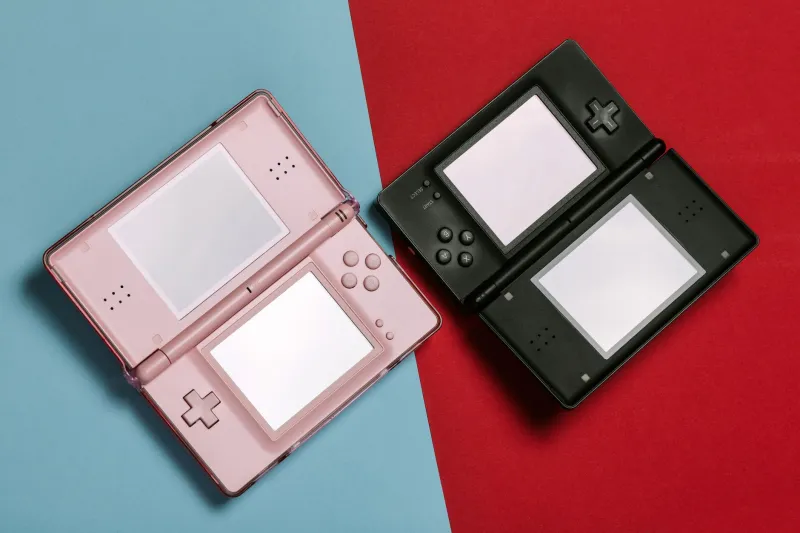
The Zero-Quid Test Drive: Why the Demo Deserves Top Billing Again
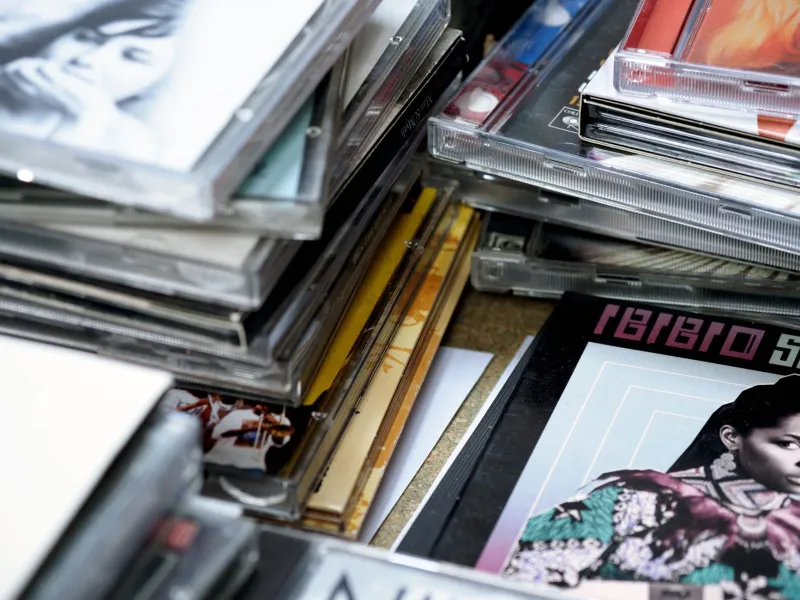
Every UK gamer of a certain age has a drawer like mine. No case, no manual, just a disc with a marker-pen scrawl on it and a vague memory of a mate saying, “I’ll get it back off you.” It’s probably a magazine covermount. It’s probably got a racing game, a platformer and a football demo on it. And it probably taught you more about your own taste than half the full-price games you’ve bought since.
That’s the thing about demos. They’re not just adverts. They’re a cheap, low-stakes way of finding out whether a game actually deserves your evening, your storage space and your patience. In 2026, with storefront demos, free trials and beta weekends everywhere, the demo is quietly having a proper renaissance. And frankly, a good demo is a better £0 purchase than most £70 ones.
The covermount era was a proper education
Before YouTube essays and endless previews, the demo disc was how you learned to read a game. You’d stick on a magazine disc, play the same eight-minute slice of a platformer until you knew the loading screen by heart, and then decide whether the full thing was worth begging for at Christmas. Cereal-box CDs did the same job for people who weren’t allowed to buy magazines. It was scrappy, it was often filled with filler, and it was brilliant.
The lesson wasn’t “this demo is fun”. The lesson was “can I tell what this game is like from a tiny piece of it?” That’s a skill. It’s also why so many of us can smell a bad camera, a dodgy frame-rate or a hollow open world within ten minutes. We were trained by a drawer of half-played tasters.
2026 is quietly the year of the proper demo
The modern version isn’t a plastic disc rattling around a drawer. It’s a storefront demo you can download in a few minutes, a timed trial that lets you push through the opening chapter, or a beta weekend that doubles as a stress test. Some of it is marketing, obviously. Some of it is a server queue with a menu screen attached. But when it’s done right, it’s exactly what the covermount used to be: a free bite that tells you whether you want the meal.
The UK angle matters here. We’re a nation of cautious spenders when it comes to games, and that’s not a criticism. At £70 a pop, a launch-day dud hits harder than ever. A demo is the antidote. It’s the digital equivalent of giving the game a quick kick in the tyres before you hand over your card. If a publisher is confident enough to let you play an hour without a pre-order, that’s worth noticing. If they hide the game until release day, that’s worth noticing too.
How to shop demos like a cheapskate connoisseur
First rule: treat the demo as the night’s entertainment, not a chore. If it doesn’t grab you in the first twenty minutes, that’s useful information. You’ve saved yourself seventy quid and a fortnight of pretending to enjoy a game because you paid for it.
Second rule: check what carries over. Some demos let you keep progress, which is lovely. Others wipe it, which is fine as long as you know. Don’t spend three hours building a character in a beta that’s going to vanish like a Wetherspoons pint on a Friday night.
Third rule: don’t confuse a beta with a demo. A beta is often an older build, a server test or a marketing event. A demo is meant to show you the game at its best. If the beta runs like a slide show, that’s not always a verdict on the final release — but it’s not nothing either.
Fourth rule: use the wishlist. Play the demo, then wishlist the game and wait. The best demo shopping isn’t about buying immediately. It’s about building a shortlist of games you’ll actually want when they hit a sensible price. That’s the G4DZ way: try free, buy smart, keep the drawer tidy.
The etiquette of the disc you never gave back
We need to talk about the borrowed disc. You know the one. Your mate lent you a demo disc in 2004, you played it to death, and now it lives in your drawer like a tiny archaeological find. The etiquette is simple: give it back, or replace it, or at least admit you’ve got it. Don’t flog it on eBay. Don’t pretend it was always yours. And if you’re the one lending, put your name on it. A bit of marker pen has saved more friendships than any online lobby mute button.
The modern equivalent is game sharing and family libraries, which are brilliant until someone changes a password and the whole house loses access to the digital equivalent of the drawer. The principle is the same: be sound, label your stuff, and don’t take the mick.
The £0 verdict
A demo won’t always be brilliant. Some are cynical, some are broken, and some are just a trailer you can walk around in. But the format itself deserves respect. It’s the cheapest way to find out if a game is for you, and in a year when £70 launches are asking for a lot of faith, a free test drive is worth more than ever.
So next time you’re staring at a storefront, ignore the hype tax for an evening. Download the demo. Play it properly. Then decide. Your wallet will thank you, and your drawer of discs will finally have a modern rival.